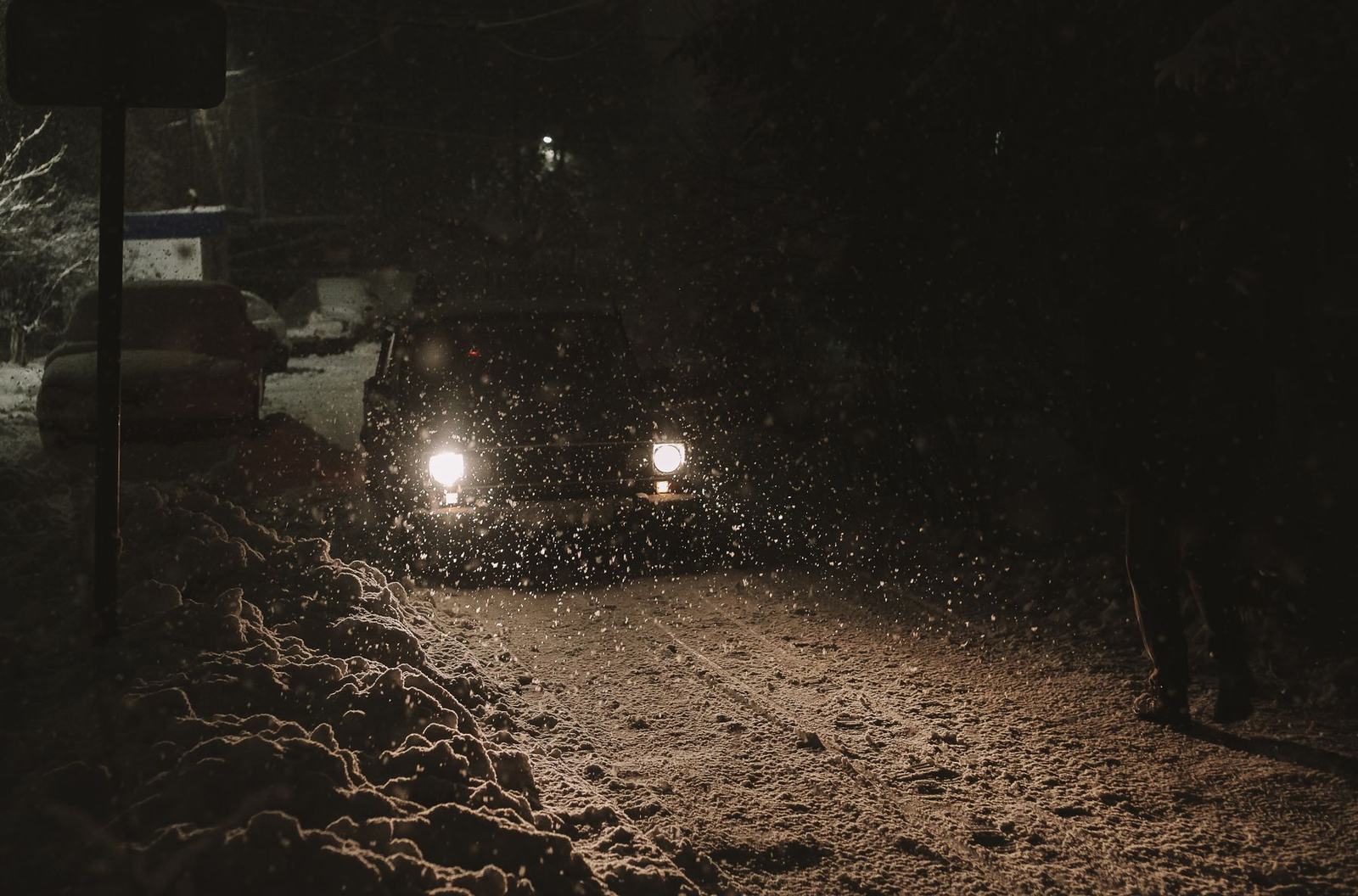
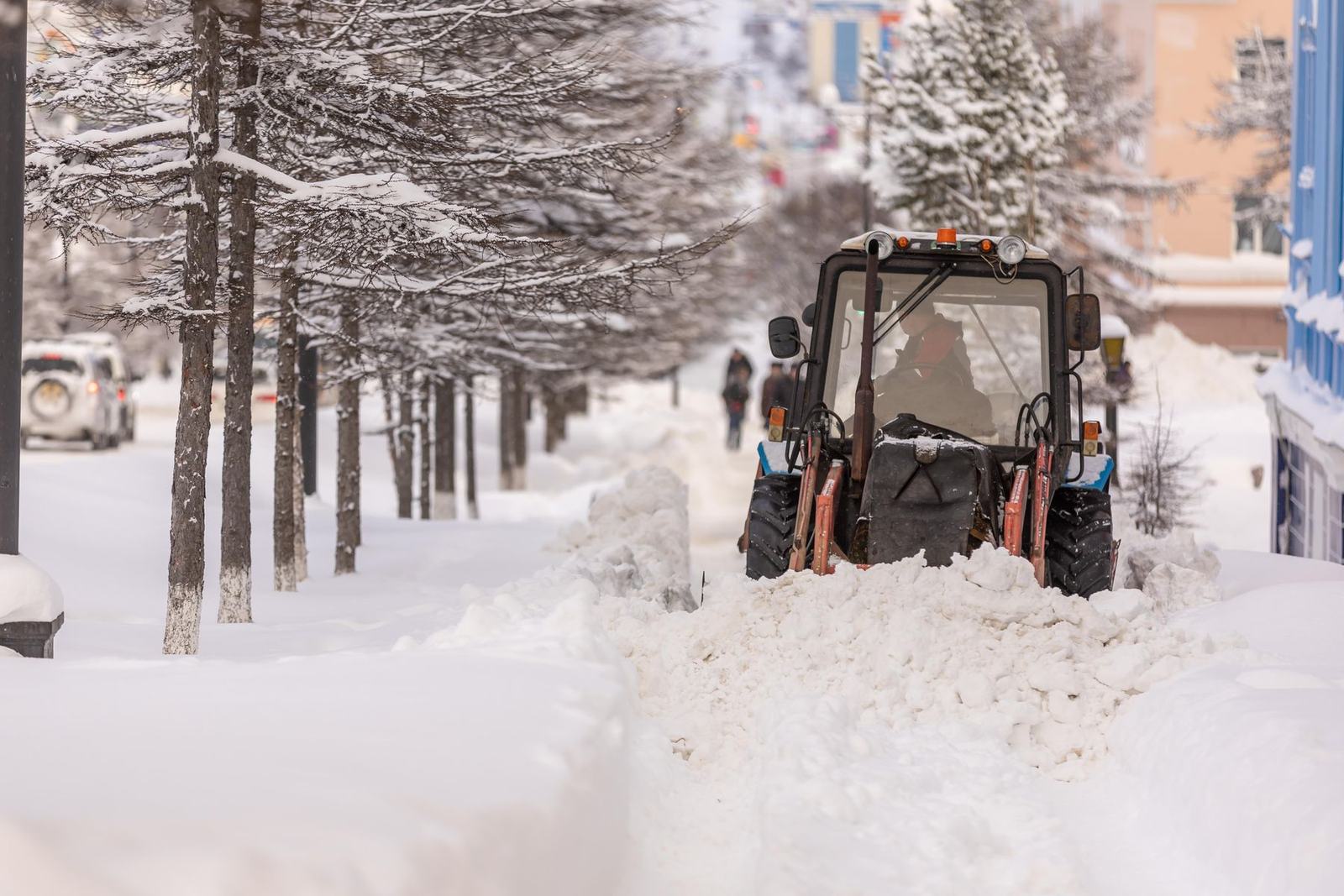
Most of the problems that blow up in January are avoidable in October. A plow operator working an unfamiliar lot at 3 AM in a whiteout is relying entirely on what you set up before the season. Here is the short list that prevents the majority of damage claims and service complaints.
1. Stake the Edges
Reflective markers along driveway edges, curb lines, islands, and anything low enough to disappear under 8 inches of snow. Sprinkler heads, landscape lighting, drain covers, and parking blocks are the usual casualties. Markers cost a few dollars each and save far more than that in a single incident.
2. Fix the Drainage First
Walk your property and find where water goes. Clogged catch basins, downspouts discharging across walkways, and low spots that pond will all become ice. This is the single highest-value item on the list because refreeze hazards cause more claims than snow depth ever does.
3. Agree on a Stacking Plan
Decide before the season where snow gets piled. Piles should never sit uphill of a pedestrian route, never block sight lines at an exit, and never sit on top of a catch basin. On tight urban lots in Akron, plan for the possibility of hauling snow off site once the piles get large, and budget for it.
4. Note Anything Fragile
Decorative pavers, heated walkway zones, soft asphalt patches, and low-clearance canopies should all be flagged in writing so the operator knows before they arrive, not after.
5. Sign Before November
Routes fill. Contractors build their winter schedule geographically, and once a route through your part of Summit County is full, adding a property mid-season means either a worse service window or a no. Pre-season pricing is also almost always lower than what you will pay in January when everyone is scrambling.